
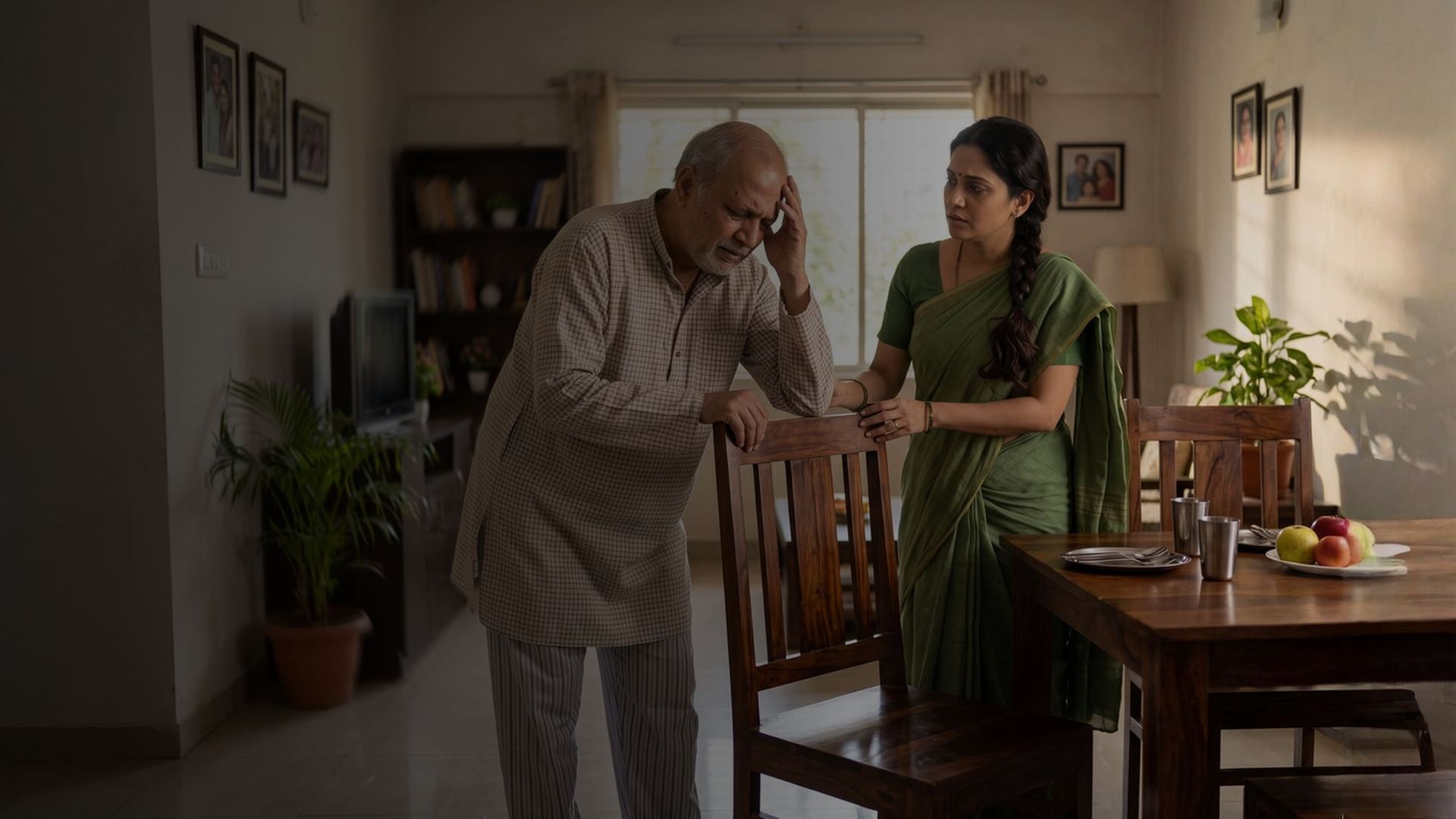

What happens in dizziness and vertigo.
Dizziness and vertigo in older adults typically arise from inner ear dysfunction, changes in blood pressure, or neurological causes, creating a persistent sense of spinning or unsteadiness that affects daily movement.
Signs you may notice
- Spinning SensationA sensation of spinning or the room moving, particularly when changing position
- UnsteadinessUnsteadiness or loss of balance when standing, walking, or turning the head
- Nausea on MovementNausea or discomfort triggered by movement or changes in head position
- Avoiding MovementAvoidance of activity or movement out of fear of triggering an episode
What we treat under dizziness and vertigo
Vertigo
A spinning sensation, often triggered by a change in head position.
Vestibular dysfunction
A problem in the inner ear’s balance system that leaves you unsteady.
Cerebellar ataxia
Loss of coordination from the part of the brain that controls balance.
How we treat dizziness and vertigo.
Every treatment is shaped around your body and your pace
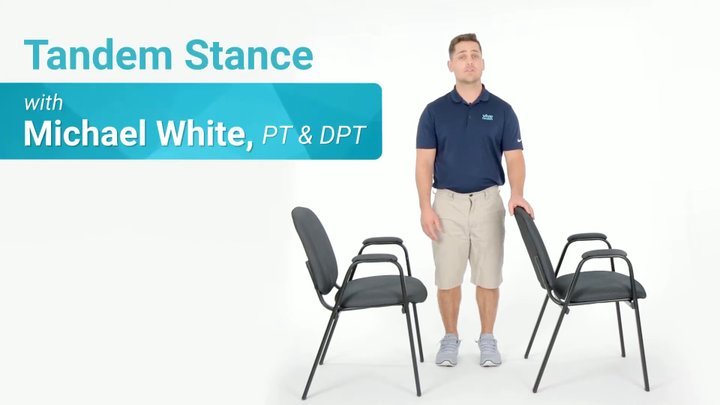
See how we treat your condition, what your plan would include, and how our care works together. We will send it to you on WhatsApp.
Send me the full plan on WhatsApp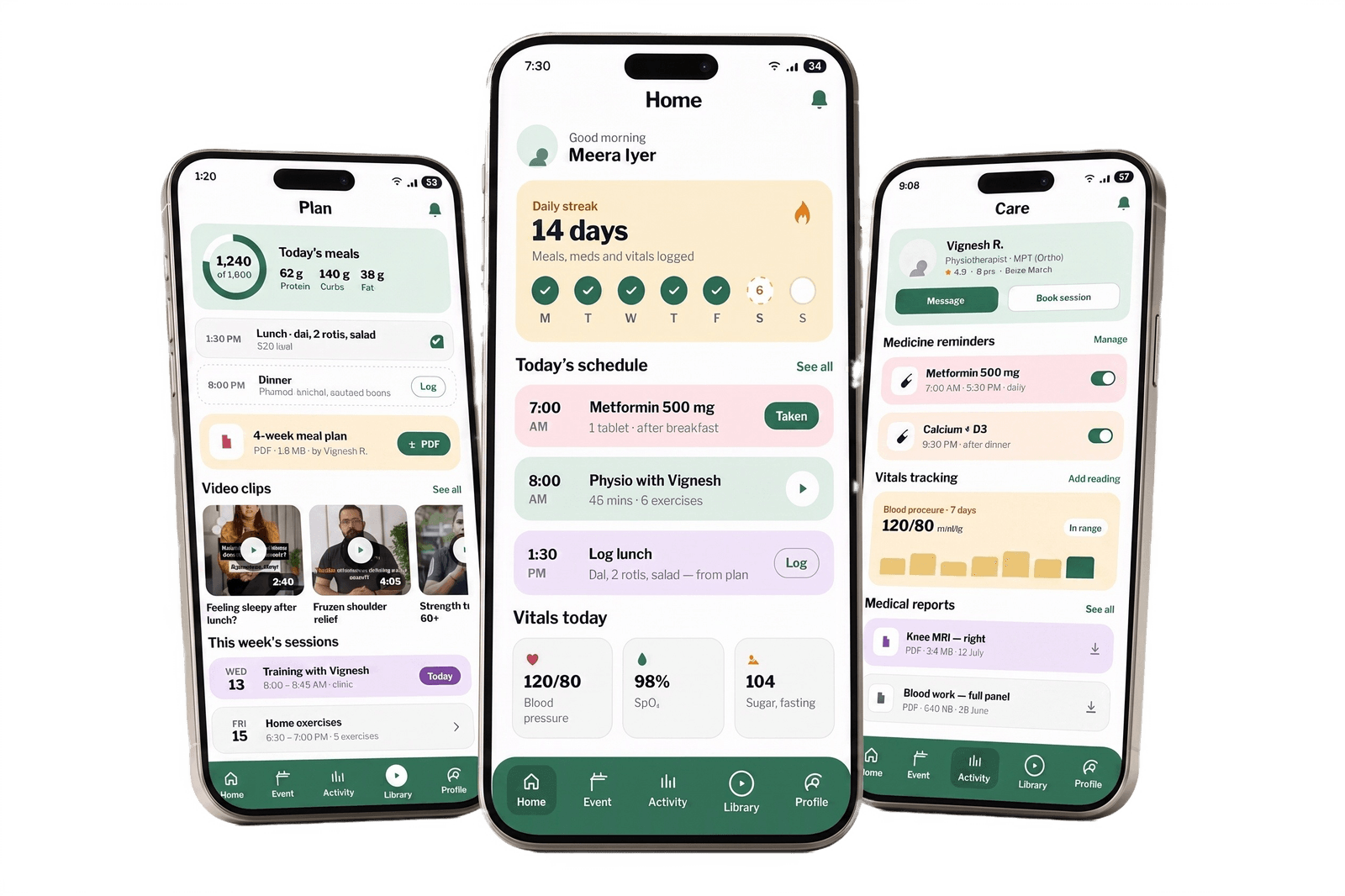
Kinetic Age App
Your exercise plans live in the app, so you can follow them between visits.
Tap to downloadWhat our members say
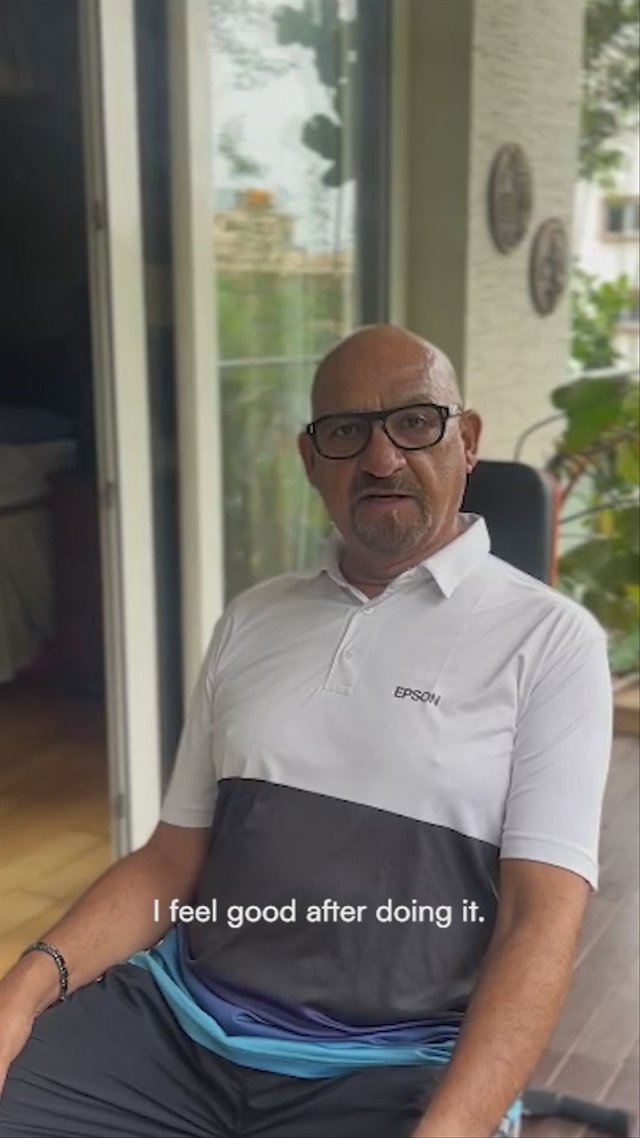
- Able to do sit to standimproved from 1 to 15 able to do sit to stand
I am happy with how I am recovering. I feel stronger now, and each week I can do a little more on my own.
FahadStrength & Conditioning Coach
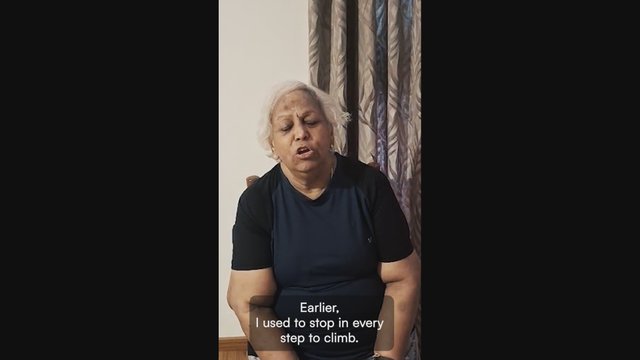
- Able to do steps at a timeimproved from 1 to 20 able to do steps at a time
At first I could manage one step before I had to stop. Now I walk to the temple every morning, twenty steps at a time.
Khushi KinkhabwalaPhysiotherapist & Geriatric Exercise Specialist
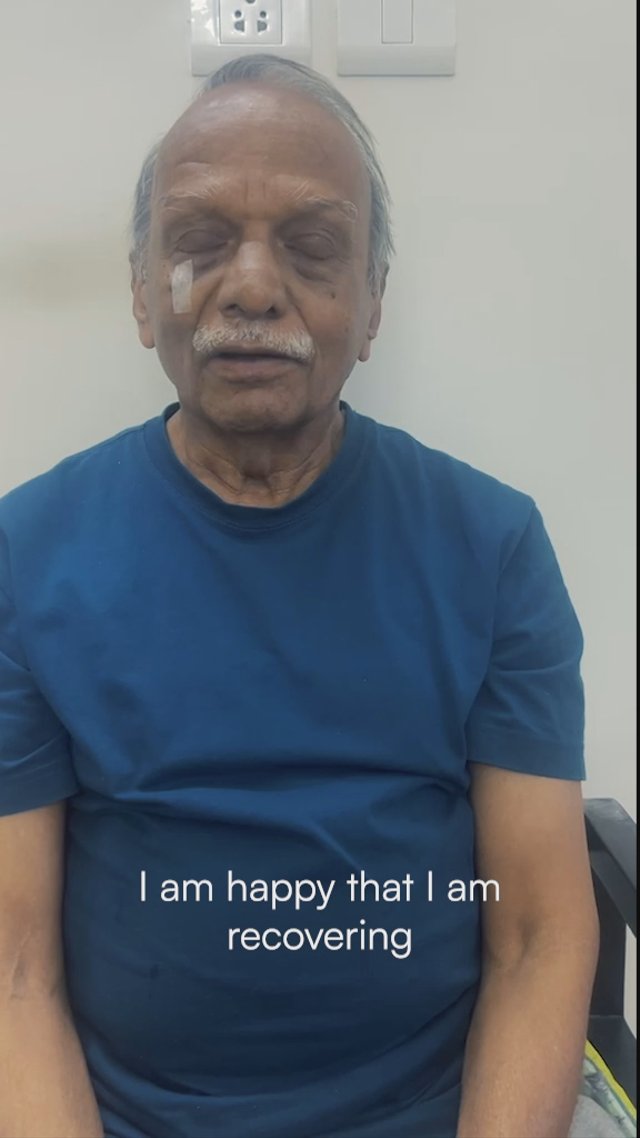
- Able to walkimproved from 10m to 20m able to walk
I am happy with how I am recovering. A few months ago I could barely stand on my own, and now I am walking again.
Sample copy
Sample copy. This member’s own words go here, once the quote has been transcribed from her clip and approved.
Clinician to be confirmedRole to be confirmed Sample copy
Sample copy. This clip is in Hindi and thanks a trainer named Adil; the member has not been identified, so nothing here is theirs yet.
Clinician to be confirmedRole to be confirmed


Start with a free at-home assessment.
A physiotherapist assesses you and treats you in the first session.
Book a free sessionPeople Also Ask
Can dizziness and vertigo be treated at home?
Yes. A specialist guides balance retraining at home, built around what triggers your dizziness.
Can therapy reduce dizziness and vertigo?
For many people, yes. Guided balance and head-movement exercises retrain the system and ease episodes over time.
What causes dizziness and vertigo in older adults?
Inner-ear changes, shifts in blood pressure, certain medicines, and neurological causes, sometimes together.
Is a doctor involved?
Yes. A doctor reviews the causes and guides the plan.