


What happens in shoulder pain.
Shoulder pain makes everyday movements like dressing, reaching, and lifting harder. It can come from several causes, and in older adults the most common are a stiffening of the joint, wear in the tendons that move the arm, or pinching of those tendons during movement. The right care depends on which one is behind your pain.
Signs you may notice
- Deep AcheA deep ache in the shoulder
- Growing StiffnessStiffness that grows over weeks
- Pain on ReachingPain when raising or reaching the arm
- Weakness LiftingWeakness when lifting
- Disturbed SleepDiscomfort that disturbs sleep on that side
What we treat under shoulder pain
Frozen shoulder (Adhesive Capsulitis)
Rotator cuff tendinopathy/tear
Shoulder impingement syndrome
How we treat shoulder pain.
Every treatment is shaped around your body and your pace



See how we treat your condition, what your plan would include, and how our care works together. We will send it to you on WhatsApp.
Send me the full plan on WhatsApp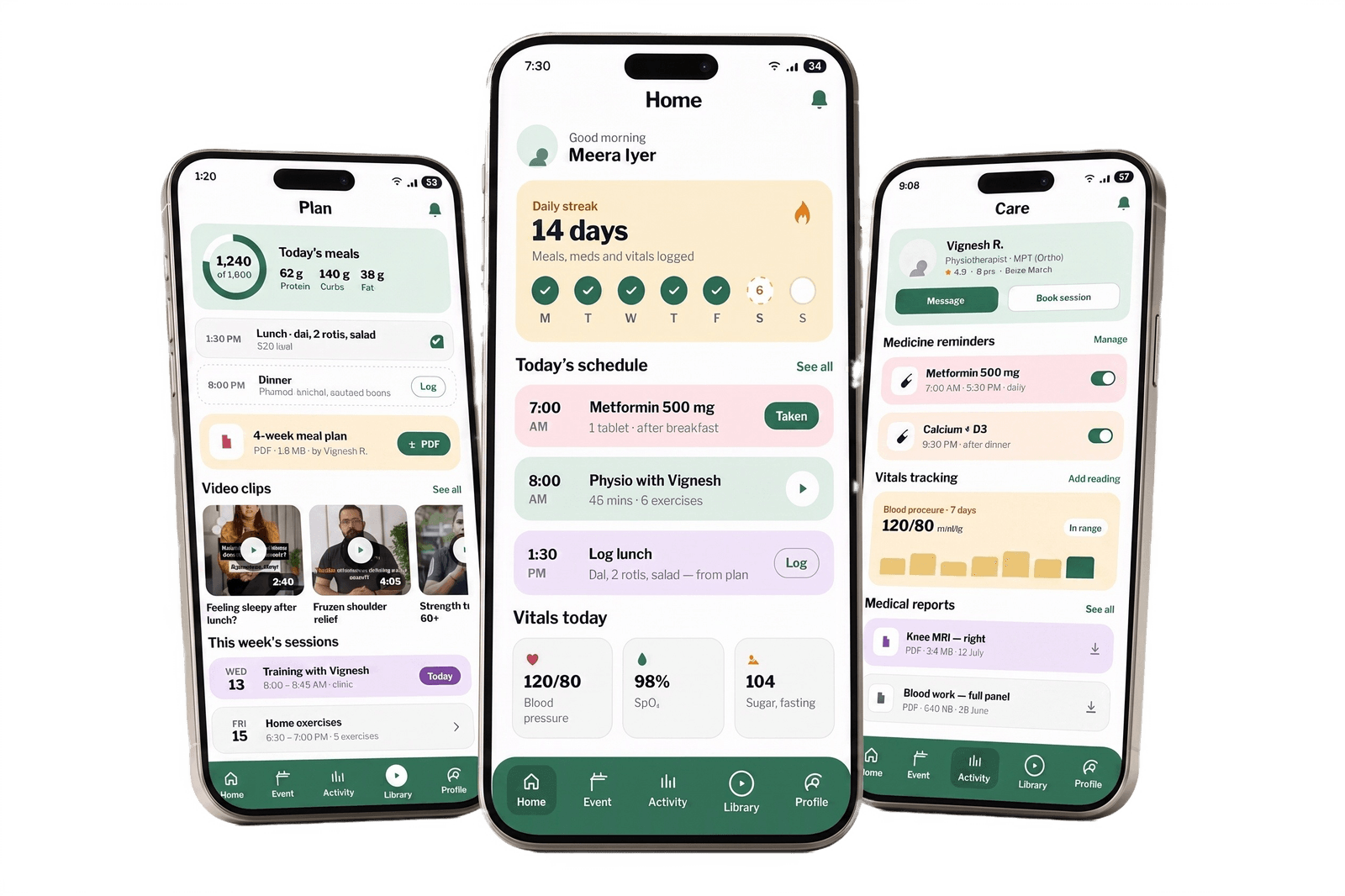
Kinetic Age App
Your exercise plans live in the app, so you can follow them between visits.
Tap to downloadWhat our members say
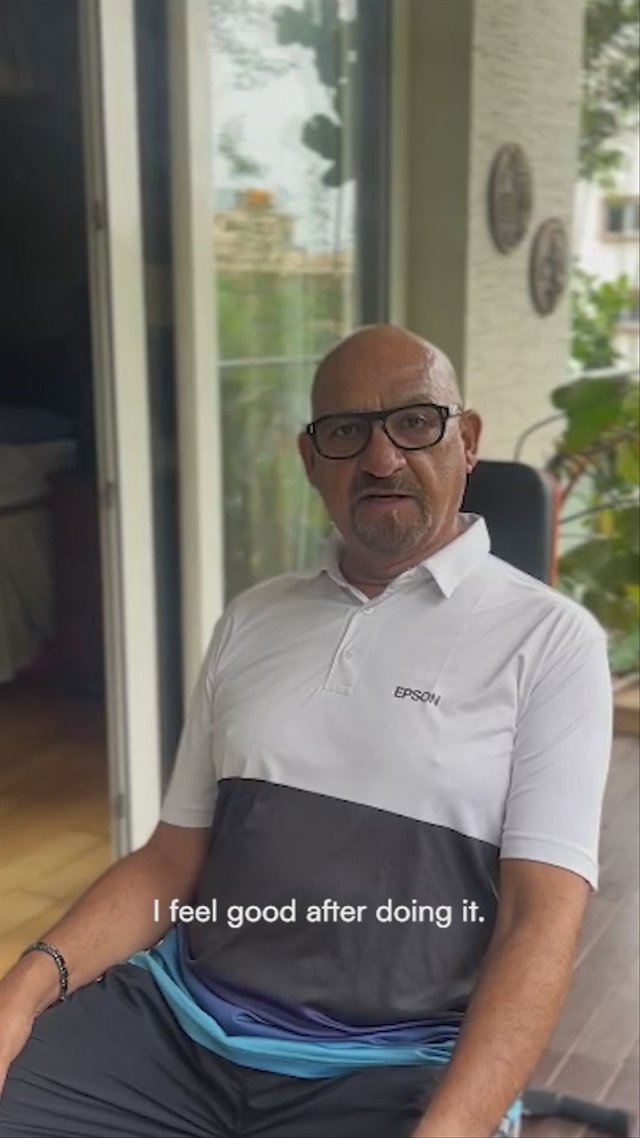
- Able to do sit to standimproved from 1 to 15 able to do sit to stand
I am happy with how I am recovering. I feel stronger now, and each week I can do a little more on my own.
FahadStrength & Conditioning Coach
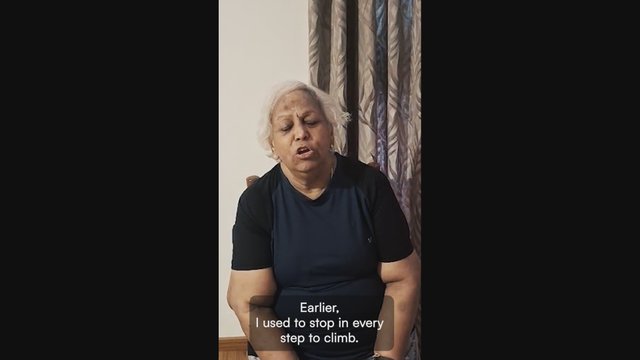
- Able to do steps at a timeimproved from 1 to 20 able to do steps at a time
At first I could manage one step before I had to stop. Now I walk to the temple every morning, twenty steps at a time.
Khushi KinkhabwalaPhysiotherapist & Geriatric Exercise Specialist
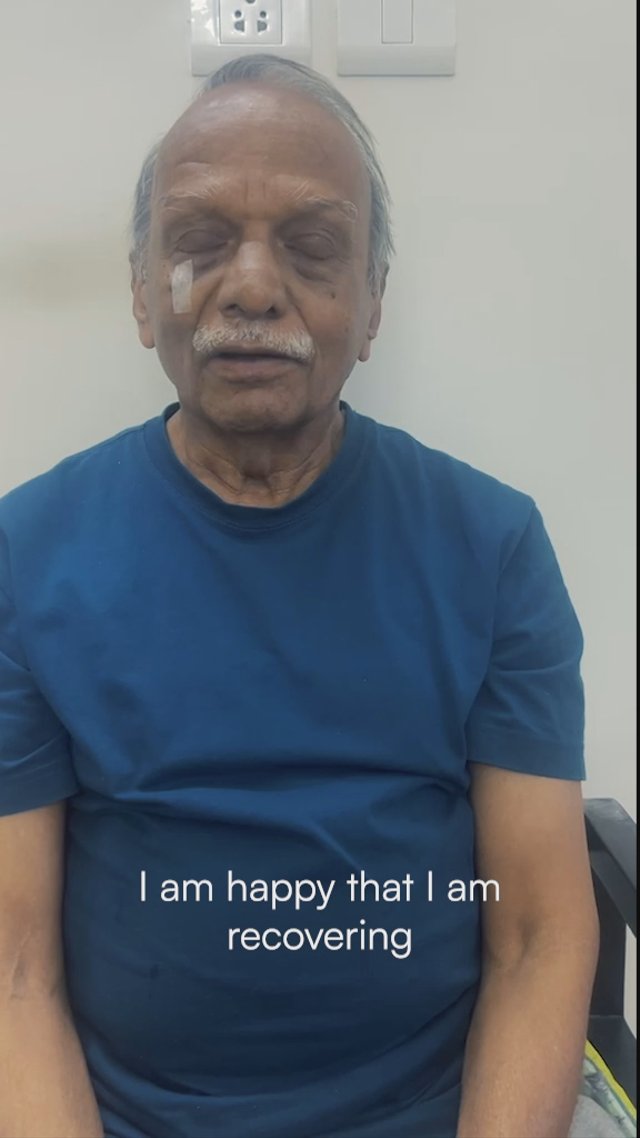
- Able to walkimproved from 10m to 20m able to walk
I am happy with how I am recovering. A few months ago I could barely stand on my own, and now I am walking again.
Sample copy
Sample copy. This member’s own words go here, once the quote has been transcribed from her clip and approved.
Clinician to be confirmedRole to be confirmed Sample copy
Sample copy. This clip is in Hindi and thanks a trainer named Adil; the member has not been identified, so nothing here is theirs yet.
Clinician to be confirmedRole to be confirmed


Start with a free at-home assessment.
A physiotherapist assesses you and treats you in the first session.
Book a free sessionPeople Also Ask
Can shoulder pain be treated at home?
Yes. A qualified specialist finds the cause first, then brings guided movement, hands-on therapy, and strengthening to your home, with a plan built around your shoulder and your space. A steady, guided plan matters more than a quick push.
Can shoulder pain improve with therapy instead of surgery?
For many people, yes. Guided therapy, the right exercises, and patience can ease shoulder pain and reduce the need for surgery. Your doctor reviews what fits your case.
What causes shoulder pain in older adults?
It often comes from a stiffening joint, worn tendons, or pinching during movement, sometimes after an injury, surgery, or a period of reduced shoulder use.
What exercises help with shoulder pain?
Guided exercises are central to shoulder recovery, and they work well with hands-on therapy and a steady pace so the shoulder opens up safely.
Is a doctor involved in the treatment?
Yes. A doctor reviews your health and decides what would help, including what you can skip.