
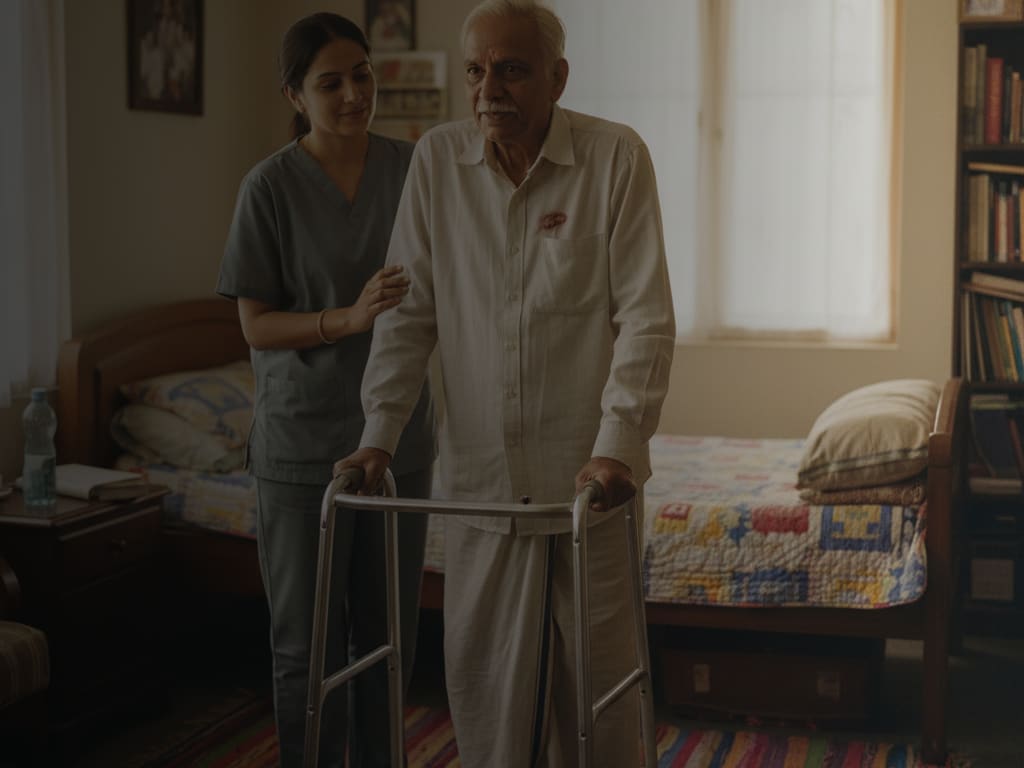
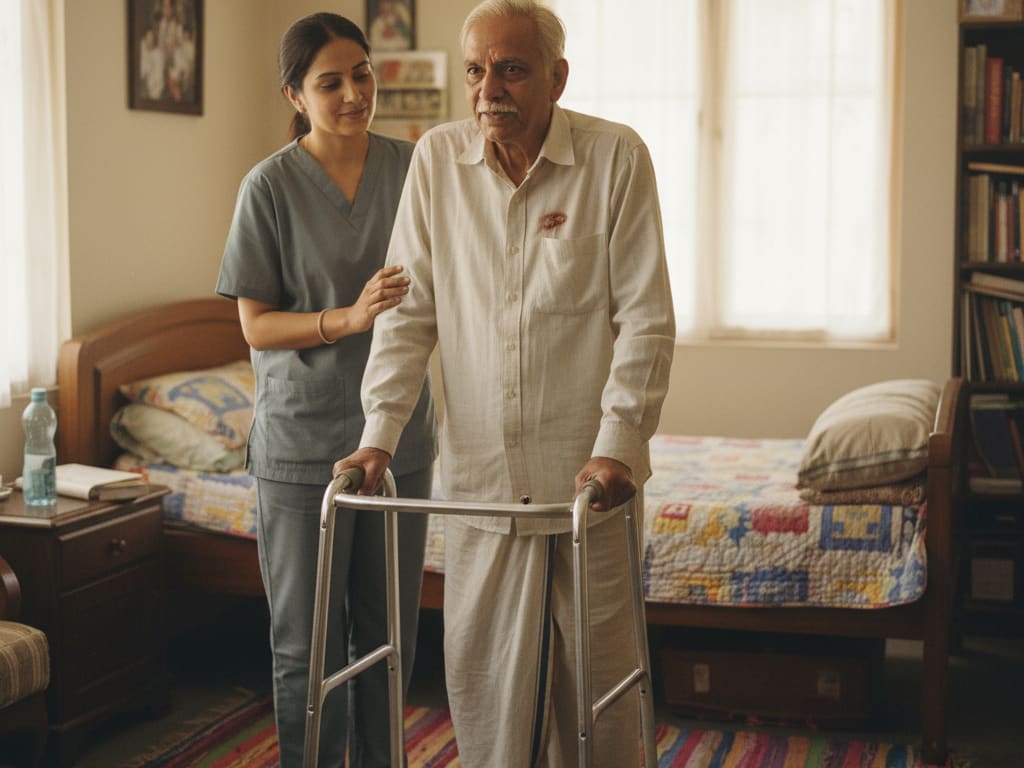
What happens in surgery recovery.
After major surgery, such as a joint replacement, cardiac procedure, or spinal surgery, the body can lose some strength, mobility, and function. Rehabilitation rebuilds it.
Signs you may notice
- Reduced StrengthStiffness or reduced strength in the operated area that limits standing, walking, or daily movement
- Lower StaminaLower stamina after the rest of a hospital stay
- Limited MovementSwelling or discomfort that limits the range of motion needed for recovery
What we treat under surgery recovery
Post-operative care and rehabilitation
Guided rehabilitation that rebuilds strength and movement in the weeks after an operation.
Spinal surgery rehabilitation
Careful recovery after back or neck surgery, kept within the surgeon’s precautions.
General post-operative deconditioning
Rebuilding the stamina and strength that soften during a hospital stay and bed rest.
How we treat surgery recovery.
Every treatment is shaped around your body and your pace


See how we treat your condition, what your plan would include, and how our care works together. We will send it to you on WhatsApp.
Send me the full plan on WhatsApp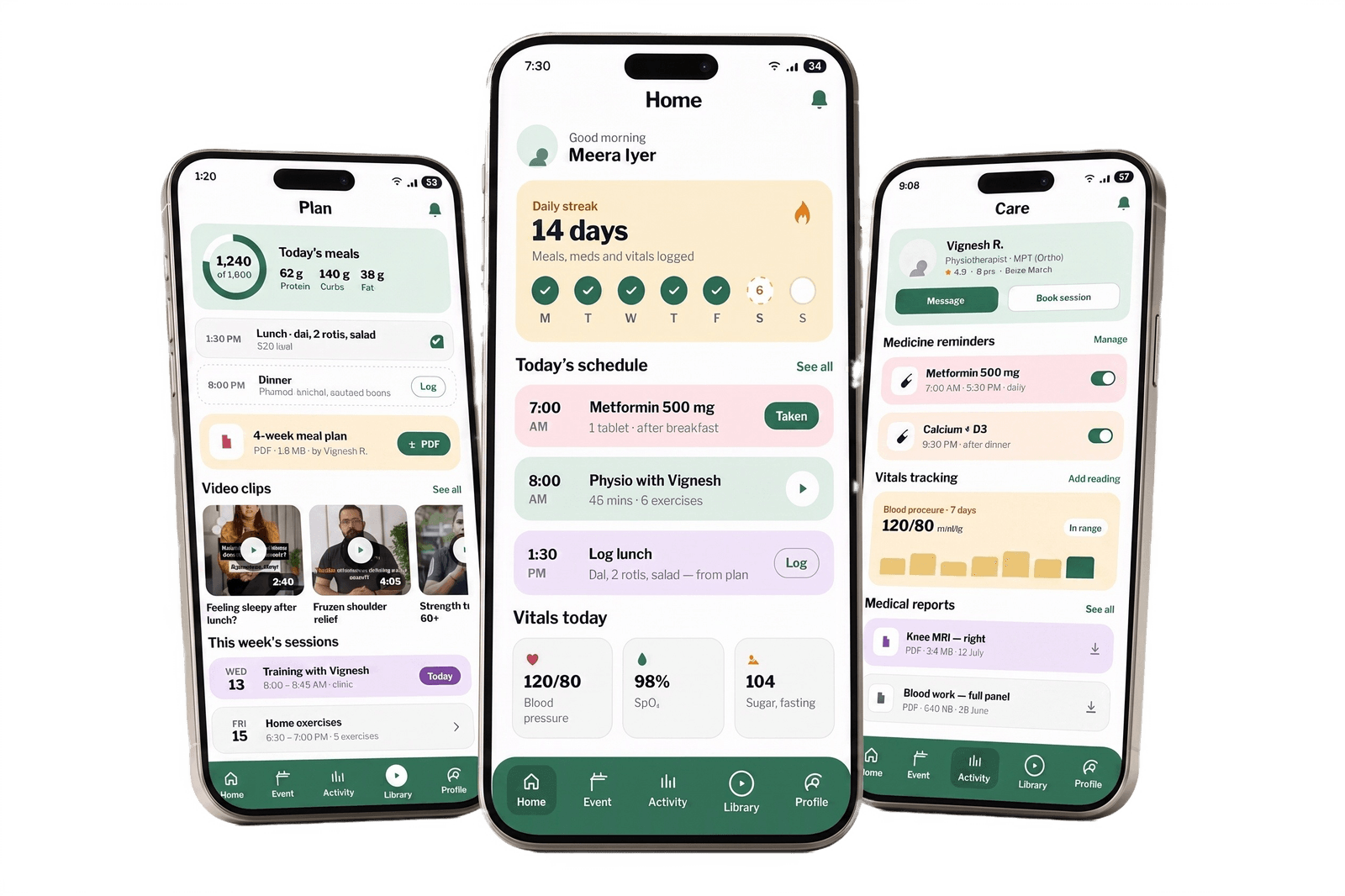
Kinetic Age App
Your exercise plans live in the app, so you can follow them between visits.
Tap to downloadWhat our members say
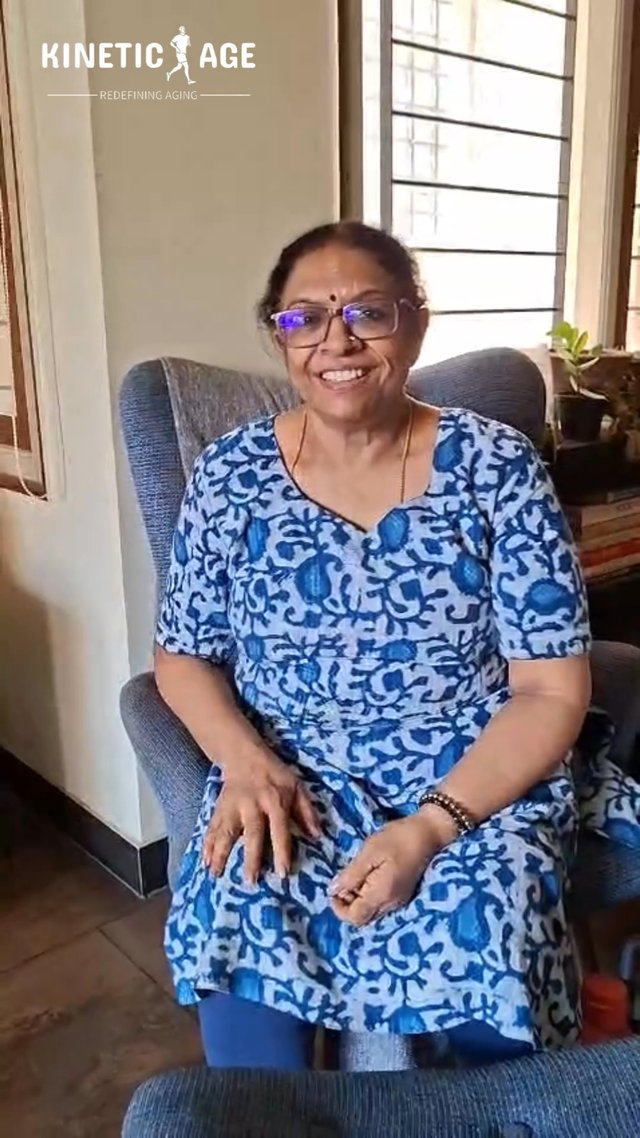
- Able to do sit to standimproved from 1 to 15 able to do sit to stand
I am happy with how I am recovering. I feel stronger now, and each week I can do a little more on my own.
FahadStrength & Conditioning Coach
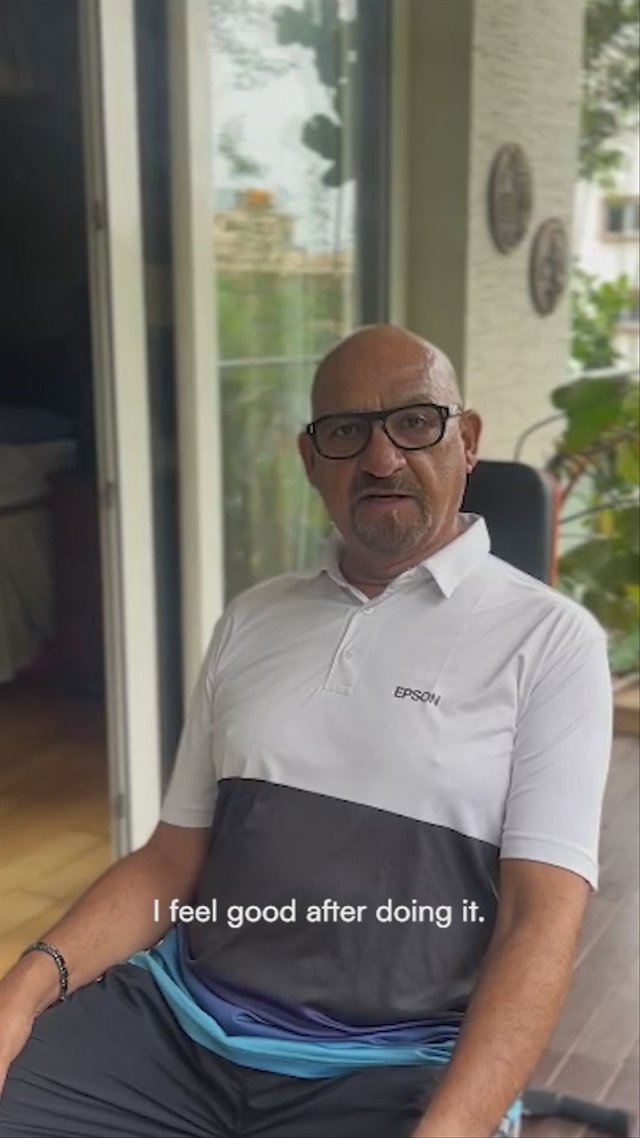
- Able to do steps at a timeimproved from 1 to 20 able to do steps at a time
At first I could manage one step before I had to stop. Now I walk to the temple every morning, twenty steps at a time.
Khushi KinkhabwalaPhysiotherapist & Geriatric Exercise Specialist
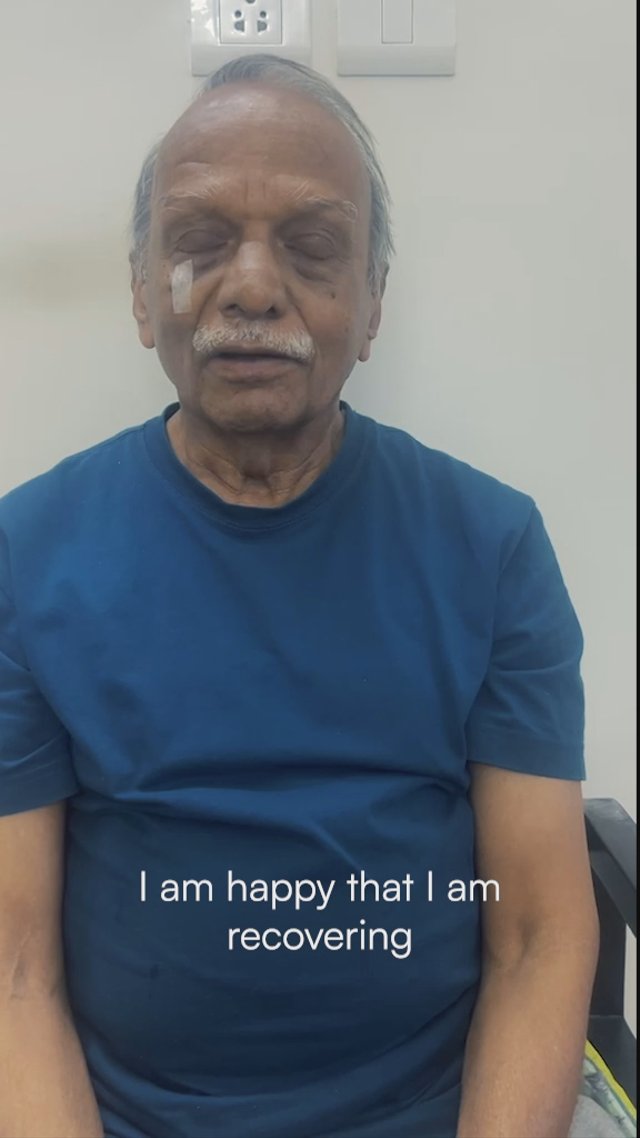
- Able to walkimproved from 10m to 20m able to walk
I am happy with how I am recovering. A few months ago I could barely stand on my own, and now I am walking again.
Sample copy
Sample copy. This member’s own words go here, once the quote has been transcribed from her clip and approved.
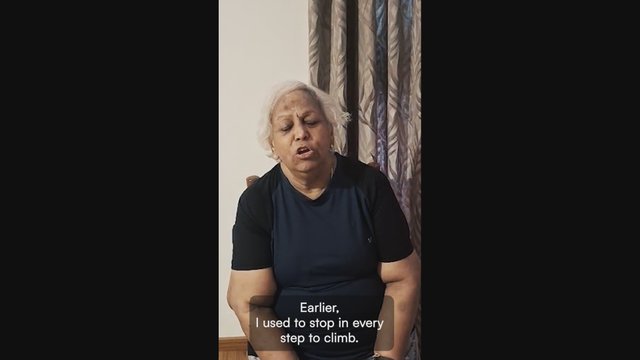
Clinician to be confirmedRole to be confirmed Sample copy
Sample copy. This clip is in Hindi and thanks a trainer named Adil; the member has not been identified, so nothing here is theirs yet.
Clinician to be confirmedRole to be confirmed

Start with a free at-home assessment.
A physiotherapist assesses you and treats you in the first session.
Book a free sessionPeople Also Ask
Can recovery after surgery happen at home?
Yes. A qualified specialist brings phased rehabilitation to your home, with a plan built around the operated area and your space, working within your surgeon’s guidelines throughout. Starting early gives the smoothest recovery, and most people progress well.
What shapes recovery after surgery?
Recovery is smoothest when rehabilitation starts soon, ideally within 24 to 48 hours. Muscle naturally softens during hospital rest and tissue heals more gradually with age, so an early, well-paced programme makes a real difference.
What exercises help recovery after surgery?
Exercise is central to recovery, and after surgery it is carefully phased: comfort first, then gentle mobilisation, then progressive strengthening, kept within the surgeon’s precautions. A physiotherapist guides this sequence, which is safer than exercising on your own after surgery.
Is a doctor involved in the treatment?
Yes. Each post-operative programme begins with a review of the surgical report and the surgeon’s instructions. The physiotherapist works directly within those guidelines and stays in touch with the surgical team throughout recovery.